
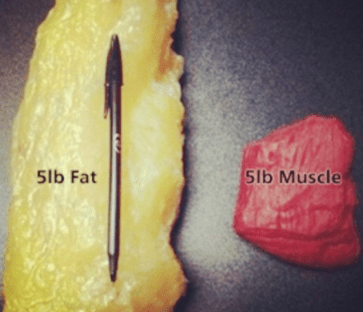
Okay, we’ve all heard it, “Muscle weighs more than fat” but what does that actually mean? That statement is actually not very descriptive. It should read, “Muscle has a higher density than fat.” That’s what’s going on here.
Let’s look at the famous fat vs muscle picture that’s been making the rounds online for the last decade plus:
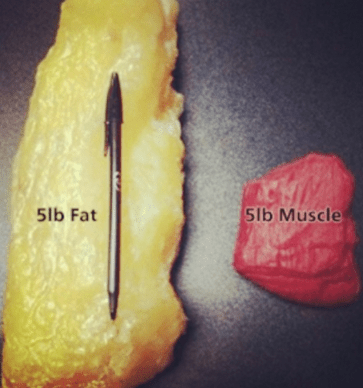
This picture explains what I’m talking about really well, you have a chunk of muscle, and a chunk of fat, they weigh the same, but the muscle is significantly smaller.
As an Engineer, I love numbers, so lets have a look at those.
The density of muscle is 1.0599 g/cm³ (grams per cubic centimetre)
The density of fat is 0.9094 g/cm³
The formula for density is: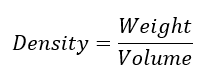
Using this formula, the volumes of the 5 pound chunks of fat and muscle can be calculated. First, we must convert the 5 lbs into grams, which is 2267.96 g.
Volume of Fat
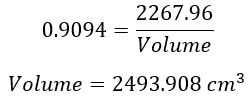
Volume of Muscle
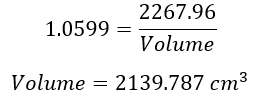
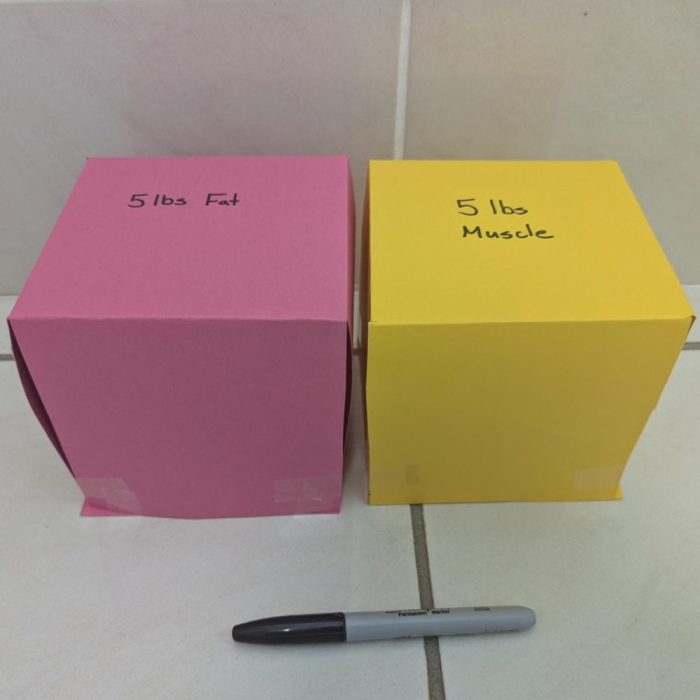
Mathematically, we can see that the same weight of muscle takes up less volume than fat, but how much less? The image below are are two cubes that I made, representing 5 lbs of muscle and fat each. I’ve included a pen for scale. The difference in size is so small, that it’s barely noticeable, unlike the comparison photo at the beginning of this post.
For interest’s sake, I also made a paper cube, measuring 7x7x7 cm, representing the difference in volume, as calculated below.
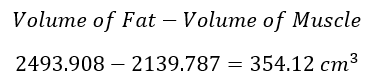
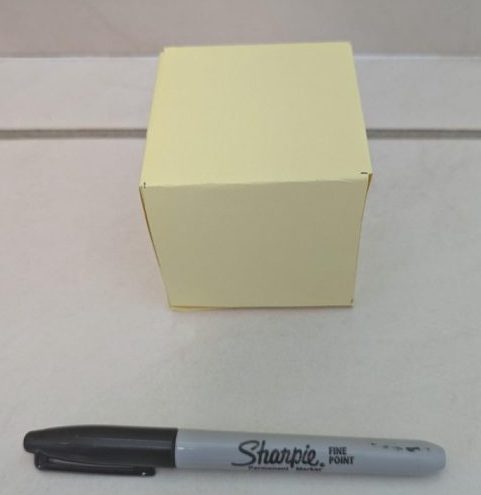
As demonstrated above, there is a volumetric difference between 5 lbs of fat and muscle, however, it’s no where near the infamous photo making rounds online. Now you know the facts, muscle has a higher density than fat, which means the same weight takes up less volume, however, that difference is no where near what we’ve been lead to believe!
x Laura

 Laura the Working Mom
2 thoughts on “Muscle vs. Fat – Is the Difference What We Think?”